
contemporary mirrors
The Significance of DN80 Gate Valves in Industrial Applications Gate valves are critical components in various industrial applications, serving as essential mechanisms for controlling the flow of liquids and gases within pipelines. Among the different sizes and types of gate valves, the DN80 gate valve holds particular significance due to its versatile capability and reliability in numerous settings. What is a DN80 Gate Valve? The designation DN80 refers to the nominal diameter of the valve, which measures 80 millimeters. This specification is part of a standardized system for measuring valve sizes, allowing for consistent communication and compatibility across different manufacturers and applications. Gate valves, including the DN80 variant, are characterized by their ability to provide a straight flow path, minimizing pressure drops and turbulence, which is vital for maintaining efficient operations in fluid management. Design and Functionality The design of a DN80 gate valve includes a wedge-shaped gate that moves vertically within the valve body. When the valve is fully opened, the gate is completely out of the flow path, allowing for minimal resistance to the fluid passing through. This design makes gate valves particularly suitable for applications where the flow needs to be either fully on or fully off, rather than throttled or regulated. Typically made from materials such as cast iron, stainless steel, or brass, DN80 gate valves are chosen based on the specific requirements of the application, including pressure rating, temperature tolerance, and the chemical nature of the fluid being controlled. The sealing surfaces of the gate are often coated with resilient materials to improve durability and longevity while minimizing the risk of leakage. Applications of DN80 Gate Valves DN80 gate valves are widely used across various sectors, including gate valve dn80 1. Water Supply and Wastewater Treatment In municipal water systems, DN80 gate valves control the flow of water in distribution networks. Their ability to provide a tight seal and prevent backflow is crucial in maintaining water quality and supply. 2. Oil and Gas In the oil and gas industry, DN80 gate valves are employed in pipelines and processing facilities to isolate sections for maintenance. Their robust construction is suitable for handling high-pressure and corrosive substances, making them indispensable in this sector. 3. Chemical Processing Given their ability to handle aggressive chemicals, DN80 gate valves find applications in plants where large volumes of chemical reactions occur. Their reliable sealing capabilities help prevent leaks and ensure safety in potentially hazardous environments. 4. HVAC Systems In heating, ventilation, and air conditioning (HVAC) systems, DN80 gate valves are utilized to control the flow of air and fluids. Their durable design and reliable performance make them suitable for both residential and industrial HVAC applications. Benefits of Using DN80 Gate Valves One major advantage of DN80 gate valves is their longevity and low maintenance requirements. When properly installed and maintained, these valves can operate effectively for many years, which reduces the need for replacements and repairs. Furthermore, their simple design allows for easy operation, even in challenging environments. Additionally, DN80 gate valves can be equipped with various actuation options, including manual handles, electric actuators, or pneumatic systems, providing users with flexibility in operation according to their setup's needs. Conclusion In conclusion, the DN80 gate valve is a fundamental element in many industrial settings, offering reliable flow control for liquids and gases. Its robust design, versatility across applications, and ease of maintenance make it a preferred choice among engineers and industry professionals. The importance of investing in high-quality DN80 gate valves cannot be overstated, as they contribute significantly to the efficiency and safety of various processes. Whether in water treatment, oil and gas, chemical processing, or HVAC systems, DN80 gate valves continue to play a crucial role in supporting infrastructure and operational excellence across industries.
about
contemporary mirrors
Understanding Butterfly Valve Types and Applications Butterfly valves are a type of flow control device utilized extensively across various industries due to their simple yet effective design. These valves are particularly favored for their ability to provide quick shut-off and precise flow regulation. In this article, we will explore the different types of butterfly valves and their specific applications. Types of Butterfly Valves 1. Concentric Butterfly Valve The concentric butterfly valve, also known as the rubber-seated valve, has a disc that is centered in the pipe. The disc rotates around a fixed shaft, and when it is turned to a quarter turn, it either opens or closes flow. These valves are commonly used in low-pressure applications because they offer resistance to wear and perform well in water and air service. 2. Eccentric Butterfly Valve The eccentric butterfly valve is designed with the disc being offset from the centerline of the valve body. This offset allows for less friction when the valve opens and closes, productively reducing wear and increasing the valve's lifespan. Eccentric butterfly valves are more suitable for high-pressure applications and can better handle slurries, making them ideal for wastewater treatment and chemical processing. 3. High-Performance Butterfly Valve These valves are designed for high-pressure and high-temperature applications where precise flow control is crucial. They often feature a metal seat and are made from advanced materials to withstand severe conditions. High-performance butterfly valves are frequently employed in sectors such as oil and gas, power generation, and other industrial processes where reliability and efficiency are paramount. 4. Triple Offset Butterfly Valve This design allows for the disc to completely seal against the seat with minimal wear due to its unique geometry. In triple offset butterfly valves, both the shaft and the disc are designed to create a conical sealing surface, which is particularly effective in high-pressure and high-temperature environments. They are primarily used in critical applications where leak-free performance is essential, such as in the petrochemical and nuclear industries. Applications of Butterfly Valves Butterfly valves play a crucial role in a wide range of industrial applications, including butterfly valve types and applications - Water and Wastewater Treatment In municipal and industrial water systems, butterfly valves help in regulating water flow and pressure, making them essential for treatment processes. - Oil and Gas Industry Used to control the flow of crude oil, natural gas, and other fluids, butterfly valves ensure efficient transport and processing in pipelines and refineries. - HVAC Systems These valves are employed in heating, ventilation, and air conditioning systems to control airflow and maintain environmental conditions within buildings. - Chemical Processing In industries handling aggressive chemicals or corrosive materials, butterfly valves provide reliable sealing and control, minimizing the risk of leaks and environmental hazards. - Pharmaceuticals Precision and hygiene are critical in the pharmaceutical sector. Butterfly valves are used for fluid management, especially in processes involving sterile conditions. - Food and Beverage Production Sanitary butterfly valves are designed to meet hygiene standards necessary for food processing, providing smooth flow and easy cleaning. Conclusion In summary, butterfly valves are integral components across numerous industries due to their versatility, efficiency, and durability. Understanding the different types of butterfly valves, such as concentric, eccentric, high-performance, and triple offset, alongside their specific applications helps industries make informed decisions regarding flow control solutions. Considering factors such as pressure, temperature, fluid type, and required sealing capabilities ensures the selection of the most suitable valve type, ultimately leading to improved process efficiency and reliability. As industries continue to evolve, the demand for reliable flow control devices like butterfly valves will remain a critical aspect of various processes.
-

High quality industrial productsagement

High quality industrial products
View Details -

Meet the diverse needs of customers

Meet the diverse needs of customers
View Details -

Strict quality control

Strict quality control
View Details -

Top raw materials

Top raw materials
View Details -

Trusted supplier

Trusted supplier
View Details
Our application


news and information
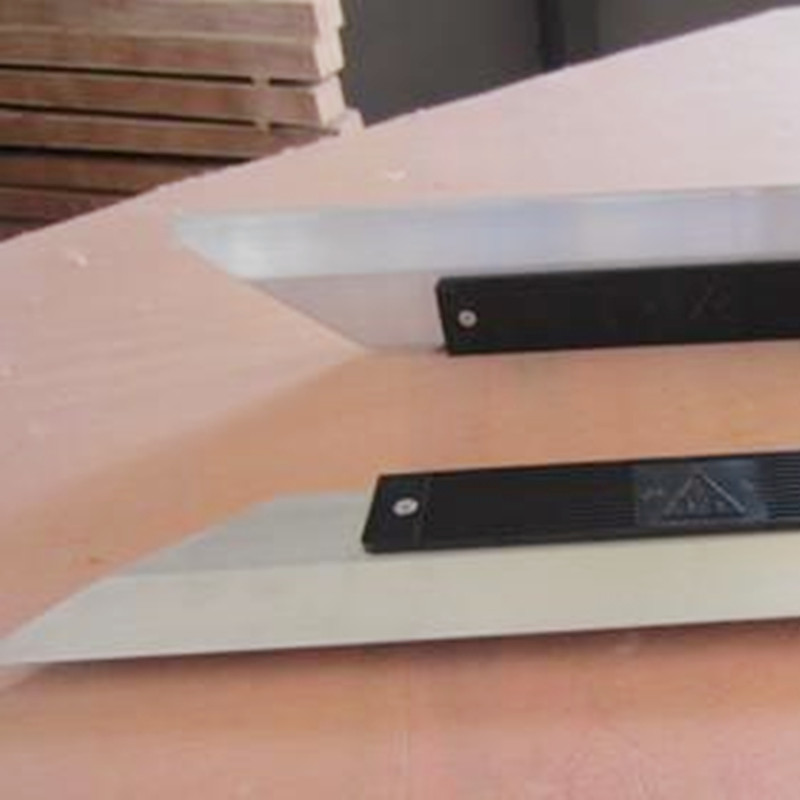
Using a Spirit Level for Accurate Measurements and Leveling Techniques
Understanding Spirit Level Measurements A Guide to Precision in Construction and Crafting In constru
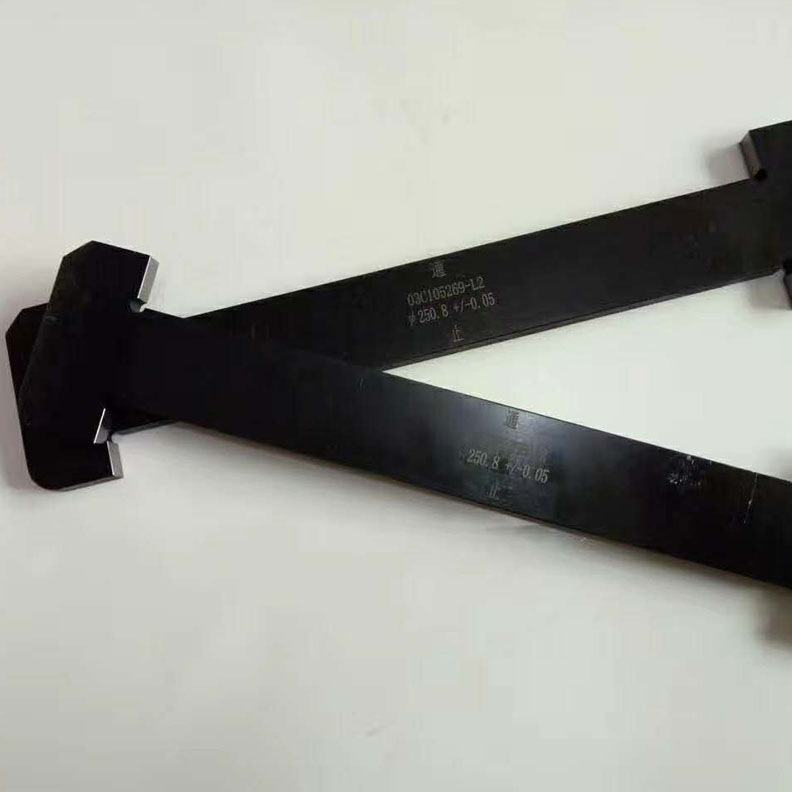
verschillende soorten regelkleppen en hun toepassingen
Verschillende Soorten Controlekranen en Hun Toepassingen Controlekranen zijn essentiële componenten
Wholesale Valve Selection_ How to Choose the Right Types of Water Valves for Commercial Plumbing
Water valves are essential components in plumbing and industrial systems, controlling the flow and p
 English